A Homeowners’ Manual to Choosing Solar Panels
As homeowners increasingly seek eco-friendly and cost-effective options for energy consumption, solar panels have emerged as a popular choice. Switching to solar energy not only offers significant reductions on utility costs but also contributes to a cleaner and healthier environment. With a range of options on the market, from the type of panels to the methods of installation, making an educated decision is essential for ensuring that your expenditure pays off in the future.
This handbook aims to equip you with essential information about solar panels, covering everything from how they operate to the monetary benefits offered for homeowners. Whether you're interested about the contrasts between home and business systems, looking into financing options, or learning about the care needed to keep your solar panels performing at their best, you will discover valuable insights to help you navigate the solar landscape. By the end of this guide, you'll be better prepared to make educated decisions regarding the solar energy solution that suits your needs.
Top Benefits of Photovoltaic Systems
One of the key advantages of solar panels is their potential to greatly lower energy bills. By producing your own electricity, you can minimize your need on the grid, which can cause considerable cost savings over time. Many householders find that the first investment in solar panels quickly pays off, with some even reaching energy independence. This monetary freedom is particularly enticing as energy prices continue to rise.
In addition to lower energy costs, solar panels contribute to a positive environmental impact. By harnessing renewable energy from the sun, homeowners can diminish their carbon footprint and help combat climate change. This transition from fossil fuels to clean energy not only helps the planet but also promotes a growing movement toward sustainable living. As recognition of environmental issues increases, many people feel a duty of responsibility to embrace greener technologies.
Moreover, investing in solar panels can increase your property value. Homes equipped with solar energy systems are often more attractive to potential buyers, as they offer the prospect of lower utility bills and a lowered environmental impact. Reports have shown that solar panel installations can raise home values, making them a intelligent investment for those hoping to sell in the future. This mix of economic savings and added home value makes solar energy an attractive option for many households.
Cost and Savings Evaluation
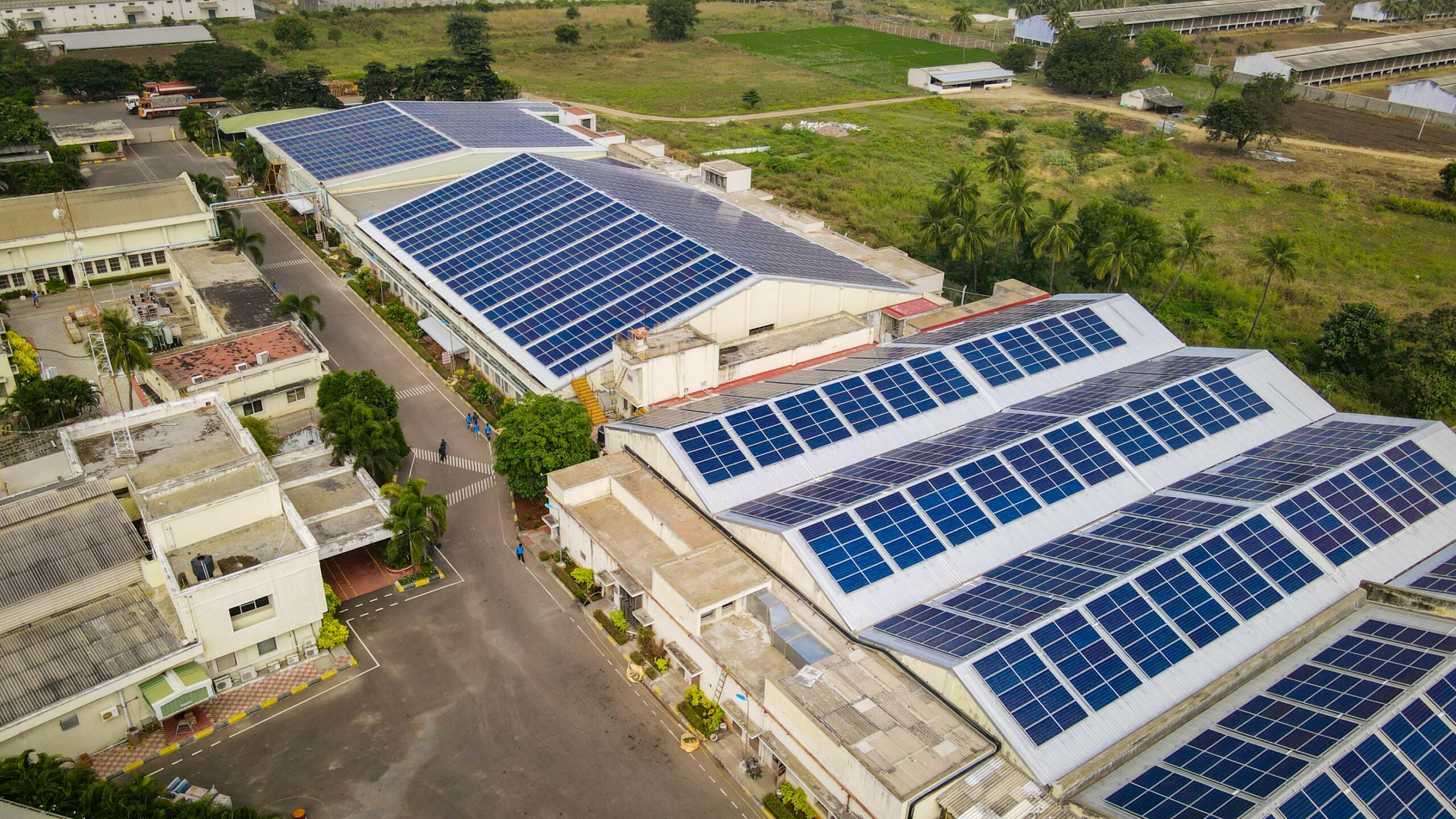
Putting your money in photovoltaic systems can lead to substantial prolonged cost reductions on your energy bills. The upfront cost of solar panel installation may seem daunting, but it is essential to factor in the progressive reduction in your monthly energy expenses. Homeowners often notice a decline in their utility costs, sometimes reducing outlays by thousands of currency units over the lifespan of the installation. With different financing choices available, such as financing loans and rental agreements, it's more manageable for homeowners to manage the upfront costs and ensure a smooth transition to renewable energy.
State benefits and tax deductions also have a critical part in relieving the cost pressures. Many areas offer refunds and tax credits for photovoltaic setups, significantly lowering the overall cost. By leveraging these incentives, homeowners can maximize their investment and enjoy higher returns over time. It is crucial to research your local incentives and understand how they can influence your total expenses.
In conjunction to savings on energy bills, solar panels can boost the worth of your home. Studies show homes with photovoltaic installations sell for more than those without. This rise in property value, combined with the continuing savings and potential income from excess energy production, makes solar panels a smart financial decision for property owners. Overall, careful analysis of the costs associated with setup and ongoing savings potential can help you make an informed decision about putting your money in solar energy.
### Installation and Maintenance Essentials
As you considering solar panel installation, it's crucial to understand the step-by-step process involved. Begin by assessing your home's solar potential, which entails evaluating your roof for direction, pitch, and shading, as these factors significantly influence energy production. Next, collect multiple quotes from licensed installers to compare their offerings and costs. Once you've selected a contractor, they will typically conduct a site visit to finalize the design and layout, ensuring it meets your energy needs and local regulations. After Battery Storage Wantage permits, the installation can begin, often taking from a day to three days depending on system size.
After installation, maintenance is key to ensure your solar panels operate at maximum efficiency. Regular cleaning is essential to remove dust, waste, and any blockages that might block sunlight. While most panels require minimal maintenance, it is also advisable to schedule an annual inspection with a professional to check for damages, loose connections, and to ensure that the inverter is functioning properly. Keeping an eye on the system's performance through system monitoring tools can also help you catch potential issues early, maximizing energy savings over the lifespan of the system.
Finally, it's important to know the details about warranty coverage to protect your investment. Most solar panels come with warranties ranging from 25 years to 30 years, which cover the performance and workmanship of the panels. It's also important to familiarize yourself with any local incentive programs or tax credits available for solar installation, as these can significantly reduce overall costs. By preparing your home appropriately for installation and keeping up with maintenance, you can enjoy the long-term benefits of renewable energy with peace of mind.