Abolishing the Danger of Water: Your Basement Moisture Control Roadmap
Water can be one of the most sneaky foes of a home, silently infiltrating spaces and wreaking havoc. Among the areas particularly vulnerable to this threat is the lower level, where drips and moisture can lead to extensive harm, mold growth, and a reduction in overall home value. With Aluneed waterproofing contractors and tools, you can shield your home from water damage and create a protected, arid space. This comprehensive roadmap to basement waterproofing will guide you through all the information you need to know to remove the threat of water in your lower level.
From identifying the signals that your basement needs immediate attention to grasping the numerous waterproofing techniques available, this guide will supply you with information to make informed decisions. Whether you're contemplating a DIY project or hiring a professional, we will discuss the expenses involved and help you identify reliable professionals. You'll find out how basement waterproofing not only protects your foundation but also improves your home's value and indoor air quality. Get ready to embark on your journey towards a moisture-free and protected basement.
Grasping Cellar Waterproofing
Cellar waterproofing is the process of protecting a home's foundation from water intrusion and harm. Water can seep into cellars through cracks, porous materials, and insufficient drainage solutions, leading to various issues, including mold growth, structural issues, and potential health hazards. Effective moisture control tactics help manage moisture levels, ensuring that cellars remain dry and livable areas.
There are various approaches of basement moisture protection, which can be broadly categorized into interior and exterior approaches. Inside waterproofing methods often include coatings, drainage methods, and sump pumps that redirect water away the base. On the other hand, exterior waterproofing involves techniques such as putting in place impermeable layers or drainage solutions around the foundation to stop moisture from leaking in. Understanding the differences between these methods is crucial for homeowners determining the best method for their individual circumstances.
Proper cellar waterproofing not only protects the home but also boosts its overall value. A moisture-free and well-maintained cellar can significantly enhance indoor air quality and prevent health issues associated with mold and damp. Additionally, a complete waterproofing system can avoid expensive repairs due to water damage and increase the home’s resale value. As moisture issues can have lasting consequences, investing in waterproofing solutions is a smart move for any property owner looking to protect their property.
Main Waterproofing Techniques
Regarding below-ground waterproofing, there are numerous effective approaches to evaluate, each offering distinct advantages. Interior waterproofing requires sealing the sides and floor with specialized sealants to block moisture intrusion. This method is often budget-friendly and less invasive, making it a common choice for homeowners. However, it may not address major water problems coming from external sources the home.
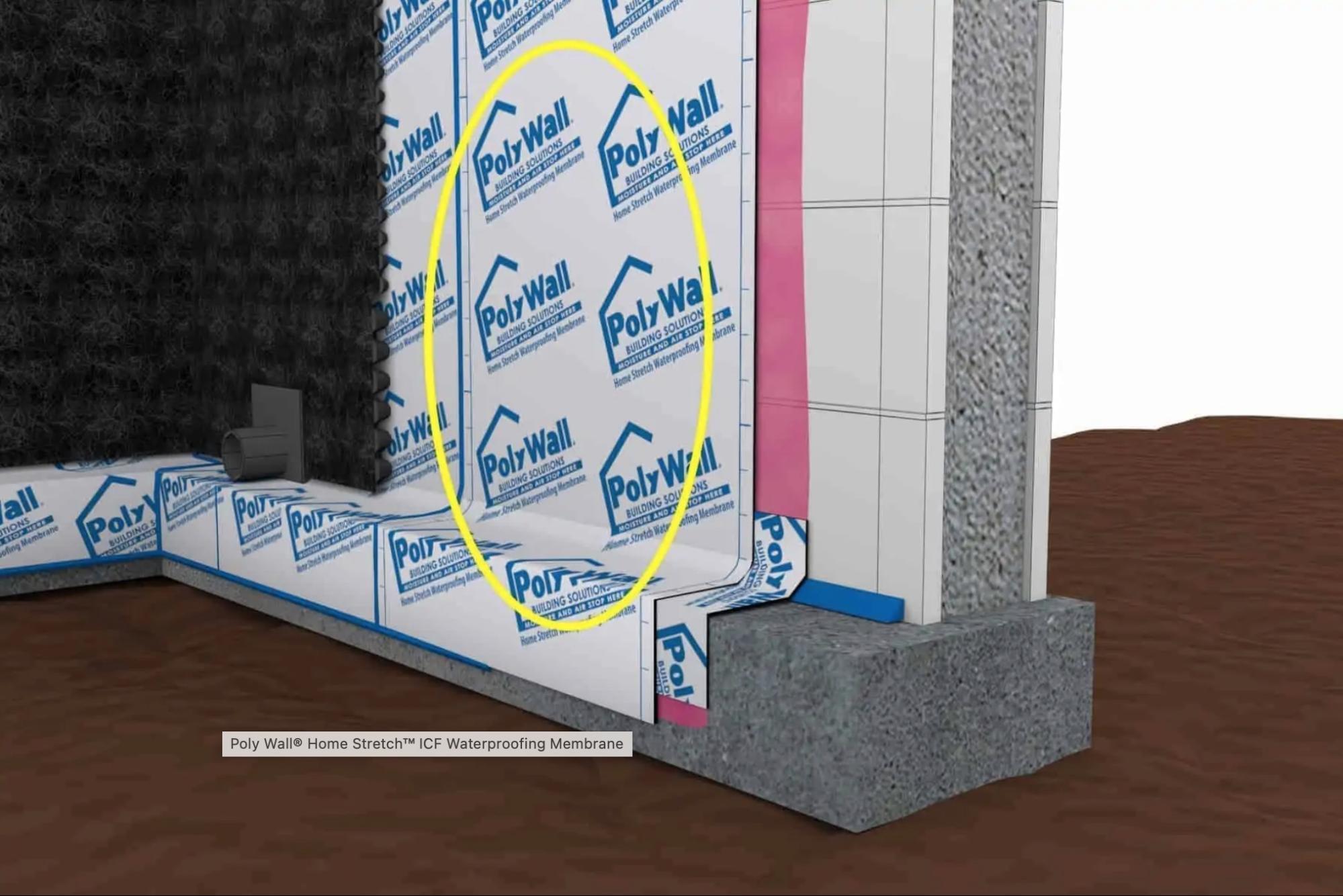
On the other hand, outside waterproofing options focus on diverting water off the foundation before it has a chance to enter. This approach often involves digging around the foundation to place waterproof membranes and installing drainage systems such as French drains. While this technique can be higher-priced and requires more effort, it delivers a comprehensive approach to prevent water problems from occurring in the first place.
Another common method is the installation of sump pumps, which proactively remove water that accumulates in the basement. Sump pumps can function alongside both internal and external waterproofing to make sure any water that manages to find its way into the basement is pumped out efficiently. With these diverse methods at your disposal, it’s important to evaluate your specific needs and conditions to decide which waterproofing solution is most suitable for your home.
Choosing the Best Waterproofing Solutions
As selecting waterproofing solutions for your basement, it's crucial to assess the individual conditions of your space. Aspects such as the degree of moisture issues, the configuration of your home, and the regional climate play significant roles in determining the most effective approach. Commence by identifying whether your basement suffers from water intrusion, high humidity, or overflows, as this will assist you in selecting between inside and exterior waterproofing solutions. Carrying out a thorough inspection can also assist uncover underlying water damage that may necessitate urgent attention.
When you have a good understanding of your waterproofing needs, consider the multiple methods available. Indoor waterproofing methods often include sealants, drainage systems, and sump pumps, which are suitable for addressing small leaks and preventing water accumulation. Alternatively, outdoor waterproofing may require excavating around the foundation to install protective barriers and drainage solutions. All method has its pros and disadvantages, and coordinating your choice with the specific issues faced by your basement will yield the most effective results.
Don’t forget to consider the costs associated with each waterproofing solution. Even though some DIY methods may seem tempting due to lower upfront costs, they often do not provide sustainable protection. Engaging a professional waterproofing contractor ensures that the right materials are used and that the job is done accurately. Consider that investing in a thorough waterproofing solution not only protects your home from water damage but can also enhance its overall value as well as indoor air quality. Make your choice wisely for lasting peace of mind.