Air Conditioning Installation Myths Debunked: What Really Functions?
In the realm of air conditioning installation, a lot of homeowners are frequently inundated with a surplus of information, much of which is deceptive or outright false. This can lead to bewilderment and bad decision-making when it’s time to choose and fit a new cooling system. Grasping the truth behind common myths is essential for making well-rounded choices that will ensure your home remains comfortable during the hottest months of the year.
In the following text, we will debunk common air conditioning installation myths while providing a comprehensive guide that addresses everything from choosing the right air conditioner for your home to comprehending the installation process itself. Knowing the facts can not only help you select the best system for your needs but also assist you in avoiding costly mistakes that can arise during installation. Whether you are considering central air or a ductless mini-split system, the information contained here will enable you to make intelligent decisions for your home's cooling needs.
Choosing the Best Air Conditioner
When selecting an air conditioner for your home, it’s important to think about the size of your space. An inadequate unit may have difficulty to cool effectively, leading to increased energy costs and strain on the unit. Alternatively, a unit that is too large can lead to inadequate cooling and excessive humidity levels. To find the perfect size, you can utilize the British Thermal Units (BTUs) calculation based on the square size of each room to determine the suitable capacity needed.
Energy efficiency should also be at the forefront of your choices. Look for units with elevated Seasonal Energy Efficiency Ratio (SEER) ratings, as these models can significantly reduce your utility bills. In furthermore, consider Energy Star certified systems, which meet strict efficiency guidelines set by the Environmental Protection Agency. Putting money in an energy-efficient air conditioner not only benefits the environment but also enhances long-term savings.
Another vital factor is the kind of system that fits your home’s needs. Central air systems are perfect for larger homes with existing ductwork, while mini-split systems offer adaptability and efficiency for spaces without ducts. Additionally, recent technologies such as connected thermostats can enhance your system’s performance by adjusting settings based on your preferences and comfort. Examine your options meticulously to find the air conditioning solution that provides comfort and efficiency tailored to your way of life.
Understanding Setup Expenses
As you think about a new air conditioning installation, understanding the associated costs is crucial for financial planning. The price of implementation can change significantly based on several factors, including the kind of setup you choose, the dimensions of your house, and any extra modifications needed, such as air ducts or electrical upgrades. On the whole, property owners can look forward to spend ranging from a few thousand dollars to significantly more, depending on the specific choices. It’s important to get several bids from reputable contractors to make sure you’re getting a fair price.
An additional aspect affecting installation expenses is the efficiency score of the air conditioning setup. Greater SEER (Seasonal Energy Efficiency Ratio) scores usually come with a greater initial price but can result in substantial savings on utility costs over the long term. Additionally, several producers offer credit arrangements that can help manage the initial expense. As Click here evaluate these factors, consider the future about how an energy-efficient setup can reduce electric costs and improve comfort in your house.
Finally, it is essential to account for possible unforeseen charges that may crop up during the implementation project. These can include maintenance to existing air ducts, specific permits, or including removal of an outdated setup. To dodge surprises, homeowners should talk transparently with their service provider about any concerns or inquiries they may possess prior to the job. Proper preparation and understanding can aid in securing a more seamless installation process and a more efficient allocation of your money.
Frequent Setup Myths Debunked
One common misunderstanding is that larger air conditioning units are consistently more effective. Many property owners incorrectly believe that a larger unit will cool their area more effectively. In reality, choosing the appropriate size is essential for performance and performance. An oversized air conditioner can lead to intermittent operation, inefficient energy use, and increased wear on the system, while an too small unit will have difficulty to cool the space sufficiently. Correct sizing based on the specific cooling needs of your home is important for maximum comfort and functionality.
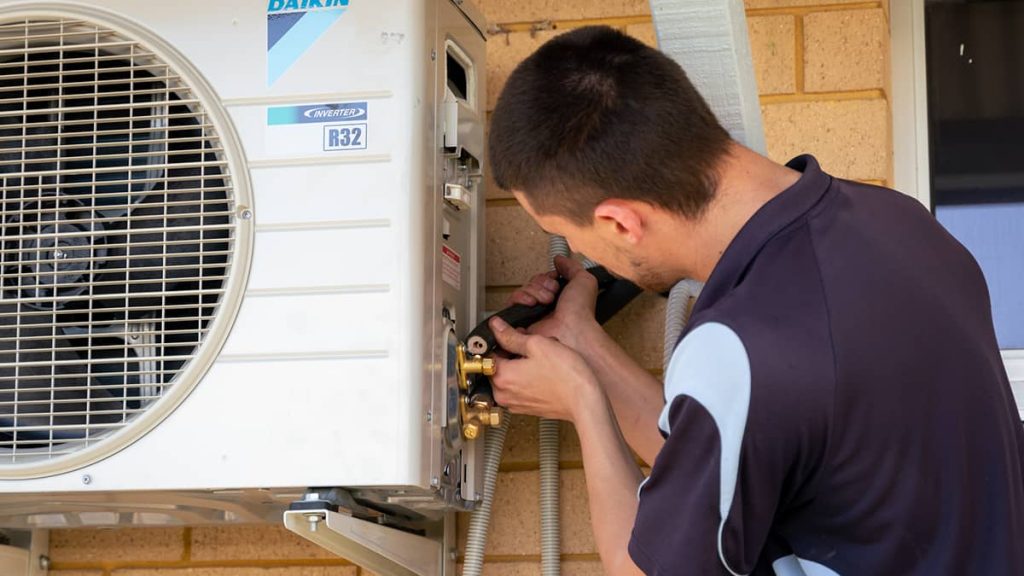
Another false belief is that the installation method is easy enough for the average person to do it independently. While it might appear easy, professional air conditioning installation is critical for making certain that the system functions securely and correctly. Incorrect installation can lead to a variety of problems, including refrigerant leaks, poor cooling, and even risks of electrical problems. Hiring a qualified installer not only provides adherence to local codes but also boosts the overall performance and longevity of the system.
Finally, many individuals believe that the cost of professional installation is not worth the expense. However, this viewpoint overlooks the lasting benefits of having a properly installed air conditioning system. Professional installation leads to greater energy efficiency, improved comfort, and lower repair costs down the path. In addition, a well installed system can significantly boost your home's value, making it a prudent financial decision in the long run.