Amp Up Your Safety: Discover the Gains of Power Inspections
As we move through daily life, it is easy to take the electrical systems in our homes and businesses for granted. Nonetheless, ensuring the safety and efficiency of these systems is crucial. Electrical inspections serve a critical role in spotting potential hazards and ensuring compliance with safety standards. Comprehending what an electrical inspection entails and its importance can empower homeowners and business owners alike to prioritize their safety and investment.
In this article, we will explore the myriad benefits of electrical inspections, from enhancing home safety to improving energy efficiency. We will discuss common issues uncovered during inspections, the interval at which inspections should be scheduled, and essential tips for preparation. Whether you are a homeowner, a new buyer, or a business owner, recognizing the importance of these inspections is crucial to protecting yourself, your family, and your property.
Comprehending Electrical Inspections
Electrical evaluations are a vital aspect of maintaining the safety and efficiency of electrical infrastructures in both business facilities. An electrical assessment involves a detailed evaluation of the electrical components, components, and cabling to verify they comply with safety regulations and are functioning efficiently. This process is crucial in discovering any potential hazards, such as obsolete wiring, overburdened circuits, or faulty installations, which can pose serious risks, including fire hazards and shocks.
The value of these evaluations cannot be exaggerated. They not just help in identifying existing problems but also serve as a proactive strategy against future issues. Routine inspections can increase the lifespan of these infrastructures, boost energy efficiency, and confirm adherence with local regulations and safety codes. For homeowners and entrepreneurs alike, committing to regular electrical inspections is a smart strategy to secure their assets and maintain a secure environment for inhabitants.
Understanding what to anticipate during an electrical evaluation is essential for individuals preparing for one. Generally, a certified electrician will assess various aspects of the infrastructure, including the main service panel, wiring, sockets, and fixtures. They will also check for signs of deterioration, improper grounding, and regulatory breaches. Being informed about this prepares property holders and guarantees they can tackle any issues effectively, leading to a protected living or workspace.
Common Issues and Prevention
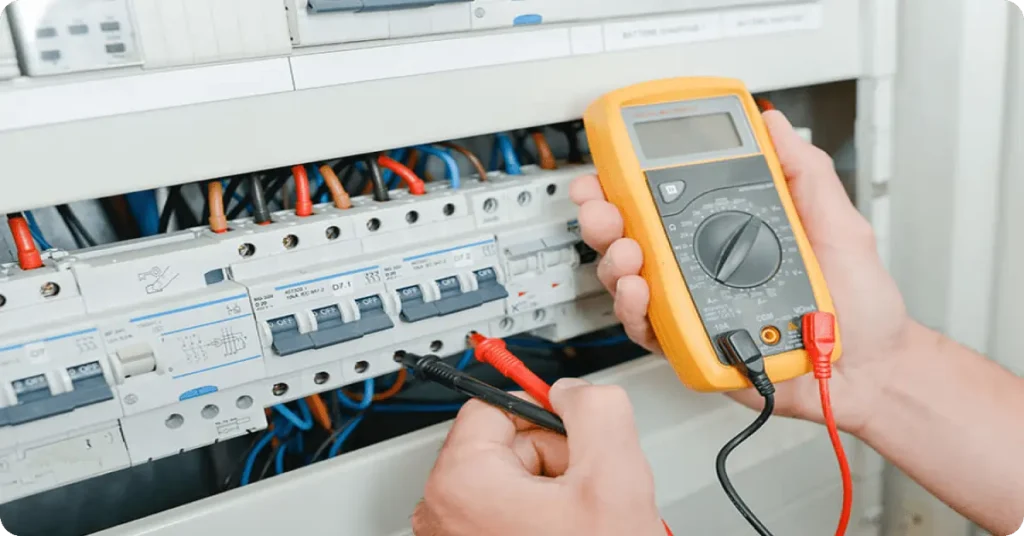
In the course of electrical inspections, various typical issues may occur that can threaten safety and performance. Aging electrical systems, such as old wiring setups or aluminum systems, can pose serious dangers, including electrical fires. Additionally, excessively loaded circuits can cause overheating and potential hazards. Defective outlets and switches are another common concern, often resulting from wear and tear over time. Identifying these problems early is crucial to maintaining a reliable electrical system.
To prevent these issues, regular inspections are necessary. Homeowners should make a priority of upgrading outdated wiring setups to meet up-to-date safety regulations. Implementing circuit breakers that properly match the load requirements of the home can avert overloads. It is also advisable to change any broken outlets or switches promptly to avoid further complications. By staying proactive with electrical maintenance, the risk of hazardous scenarios can be greatly diminished.
Knowledge is key to preventing future electrical issues. Homeowners should be informed about the signs that indicate a need for an inspection, such as blinking lights, constant tripping of circuit breakers, or unusual odors around outlets. Learning with basic electrical safety practices is helpful, especially for those who are new homeowners or unacquainted with their property's electrical systems. Implementing these preventative steps can help ensure the integrity and lifetime of electrical systems in both domestic and commercial settings.
Security and Adherence
When it comes to electrical system systems, security and compliance are of utmost significance. Inspections of electrical systems are designed to detect potential risks and ensure that all configurations meet local standards and regulations. These standards are created to shield both the occupants of a property and the property itself from electrical issues, which can result in burns or other dangerous situations. Routine inspections help reduce accidents by ensuring that cabling, sockets, and appliances are working correctly and safely.
Adherence with electrical standards not only bolsters safety but also serves as a legal requirement for many homes. Failure to adhere to these standards can lead to significant penalties, including monetary penalties and legal repercussions. Moreover, properties that do not pass electrical inspections may face issues when it comes to marketing or securing coverage for the property. Building owners and commercial landlords alike must know that proper compliance is a critical aspect of preserving the integrity and safety of their investments.
In addition to this to ensuring security and adherence, electrical inspections can also enhance energy effectiveness. An evaluation can reveal obsolete or ineffective systems that may be consuming more power than needed. By tackling More helpful hints , landlords can make educated decisions about upgrades and alternatives, ultimately leading to reduced energy costs and a lessened environmental footprint. Regular inspections are essential to maximizing both security and operational efficiency in any structure.