Flooring Faux Pas: Frequent Mistakes and Ways to Avoid Such Issues
Deciding on suitable flooring for your home can be a overwhelming task, especially with numerous options available and the constantly changing trends. If you are renovating a single room or taking on a full-house project, it’s essential to avoid common flooring faux pas that can lead to financial mistakes and unhappiness down the road. Beginning with understanding https://www.qcflooringcontractors.co.uk/best-school-flooring-buckinghamshire/ between hardwood and laminate flooring to picking the best materials for busy areas, being knowledgeable about your options is key to obtaining the look and functionality you seek.
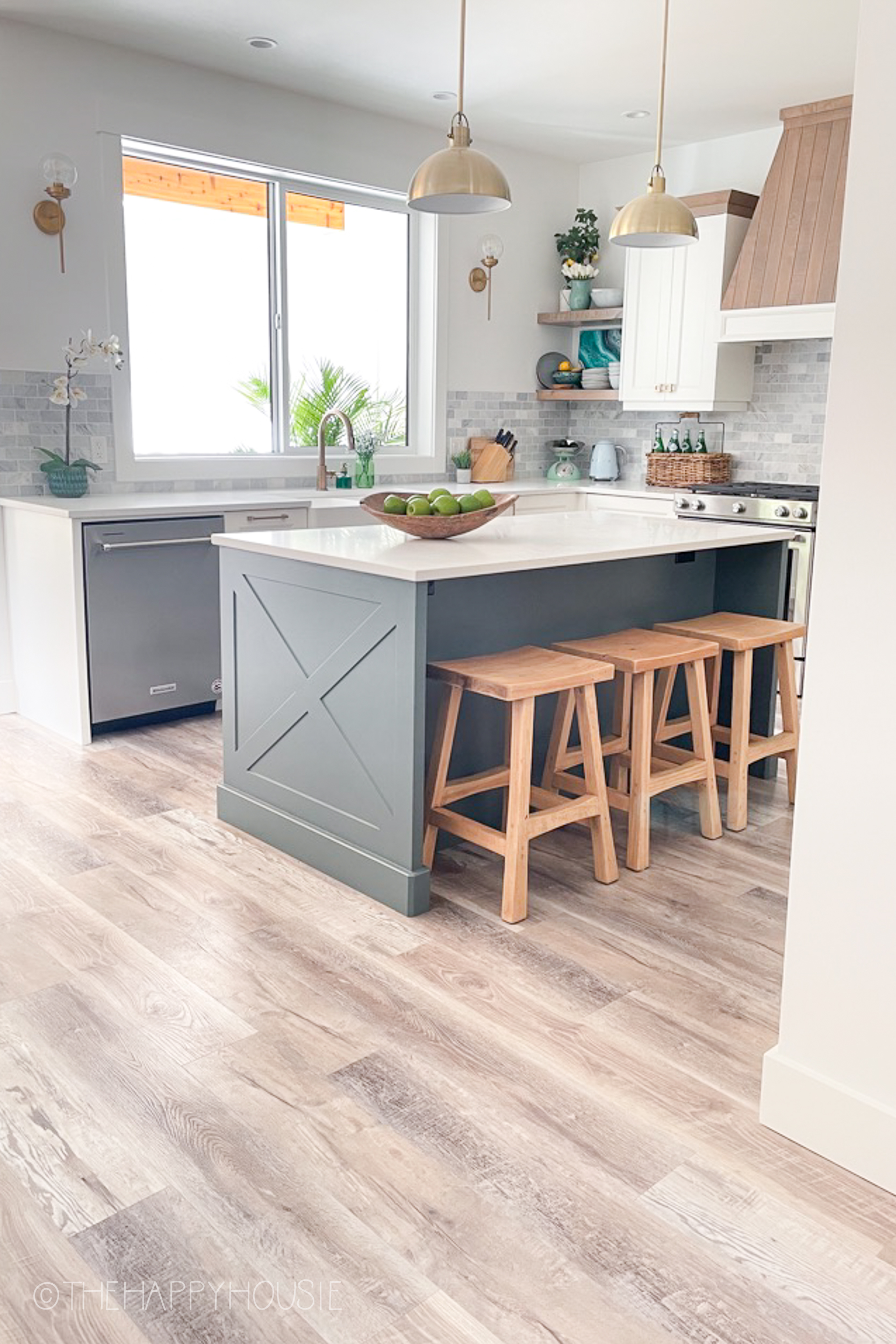
In this guide, we'll delve into some of the most frequent flooring mistakes homeowners make and provide helpful tips on how to redirect from them. Additionally, we will discuss key factors to consider when deciding on flooring for different rooms, the pros and cons of various materials, and the latest trends to look for in 2026. By being conscious of these mistakes and equipping yourself with the right knowledge, you can enhance your living space while ensuring a stylish and enduring flooring choice.
Selecting the Best Flooring Option
Deciding on the right floor covering material is essential for enhancing the look and usability of your living space. With an array of possibilities available, residents must take into account their lifestyle, financial plan, and the specific needs of each space. High-traffic zones may choose from long-lasting materials like laminate or luxury vinyl planks, which offer strength and simplicity of maintenance. On the other hand, for more private spaces, such as sleeping areas, gentler choices like soft flooring or composite wood can deliver coziness and comfort.
An additional essential factor is the suitability of the floor covering material with the property's design and interior. From the palette to the architectural style, the floor covering should complement the entire concept of the home. Additionally, selecting eco-friendly flooring options can support sustainability without diminishing aesthetic. Cork, and upcycled materials are increasingly popular choices that not only seem fantastic but also contribute to a healthier environment.
Finally, be mindful of the weather of your region when deciding on flooring. For instance, areas susceptible to moisture, like kitchens and restrooms, are suited from waterproof flooring solutions such as tile or plastic. In comparison, rooms with cooler climates may be better adapted for materials that can hold warmth, like carpets or certain forms of hardwood. By factoring in these factors into your decision, you can make a thoughtful selection that enhances your house's attractiveness and functionality.
Maintenance and Cleaning Advice
Effective maintenance and cleaning of your flooring is crucial for maintaining its appearance and longevity. For wood floors, consistent vacuuming to remove dirt and debris is important. Avoid wet mopping, as excess moisture can damage the wood; instead, use a microfiber mop with a suitable wood cleaner. Consistently applying a protective finish can help maintain the shine and protect against scratches and wear.
If you have laminate flooring, the cleaning process is equally straightforward. Use a damp cloth for spills and clean the floor with a laminate-friendly cleaner or a mix of water and vinegar to keep its luster. Avoid using wax or oils, as they can create a slippery surface and impact the laminate's integrity. Regularly check for any loose seams or damages that may need repair to prevent further wear.
Vinyl flooring is known for its durability and ease of maintenance. To keep it in top shape, sweep or vacuum regularly and mop with a gentle cleaner designed for vinyl. Be careful with products that may leave residues, as they can make the floor slippery. Moreover, applying felt pads under furniture legs can protect against scratches, while regular checks for damage or stains can help you resolve any issues early on.
Frequent Flooring Mistakes to Avoid
One of the top common errors property owners make is not taking into account the specific requirements of every room when selecting floor materials. Various spaces in your residence have individual needs; for instance bathrooms and kitchens need waterproof solutions, while living rooms may profit from more attractive considerations. Taking the time to consider the purpose of each area can prevent costly mistakes and ensure that the flooring complements your lifestyle.
Additionally common mistake is underestimating the necessity of sufficient subfloor preparation. A subpar subfloor can lead to complications such as distortion, noises, or even premature damage of your recently installed floors. Making sure that the subfloor is clear, flat, and moisture-free is essential for a effective flooring setup. Not to do so not only impacts the durability of the flooring but can also result in higher repair fees down the road.
In conclusion, many individuals overlook the significance of professional installation. While DIY projects might look economical, improper installation can lead to a host of challenges, from off-center planks to gaps and uneven surfaces. Spending money in expert flooring installation can conserve energy, stress, and future outlays, ensuring that your flooring looks excellent and stands as expected.