Maneuvering the Used Car Maze: Crucial Buying Strategies
Navigating the used car market can seem like navigating through a thick jungle teeming with both prospects and possible traps. With the increase in used car sales, especially in 2026, many buyers are eager to find reliable vehicles that fit their financial plan without sacrificing quality. If you are a new driver, a commuter looking for a budget-friendly option, or a family in need of a spacious vehicle, grasping the subtleties of buying used cars is important.
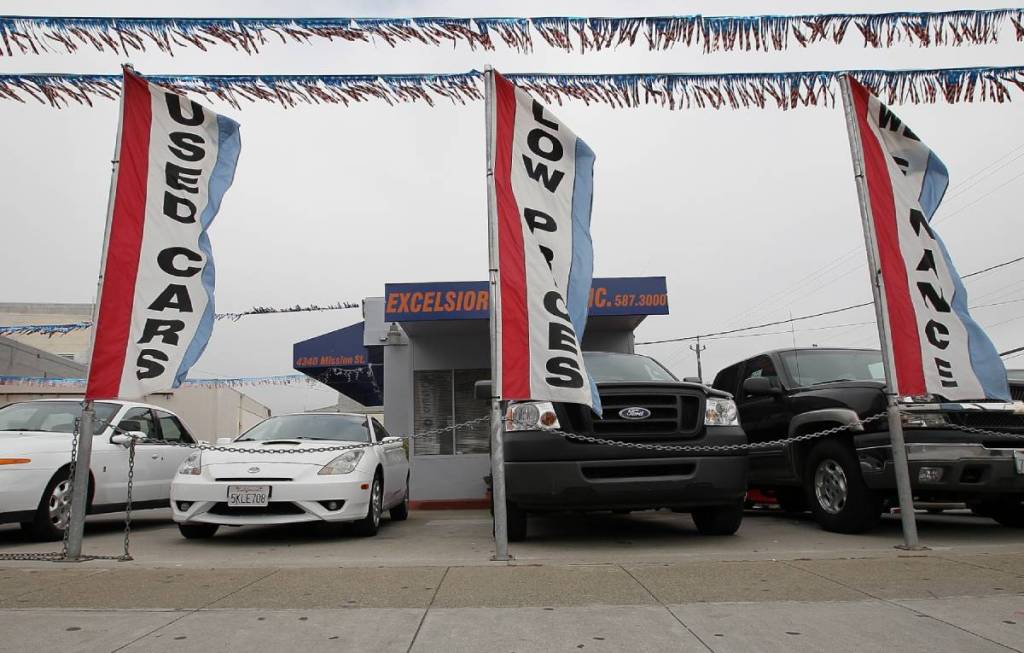
In this definitive guide, we will examine key strategies to help you make educated decisions while shopping for a used car. From examining how mileage impacts value to knowing what to look for under the hood, we'll provide you with best tips that can save you money and help you steer clear of common mistakes. Whether you choose to buy from a car dealership or a individual, knowing the correct questions to ask and how to identify a good deal will empower you on your journey to finding the ideal used car.
Important Purchase Strategies
When delving into the second-hand car market, knowing how to set a financial plan and adhere to it is vital. Start by figuring out the maximum sum you are ready to pay, factoring in not only the purchase price but also protection, levies, licensing, and future servicing costs. Investigate the average prices for the models you are considering to ensure you have a reasonable figure in mind. This strategy will keep you concentrated during negotiations and help avoid any impulse purchases that could stress your finances.
Next, create a set of criteria of features that are essential to you. Whether it's gas efficiency, safety ratings, or a specific make and model, having clear requirements will help enhance your search. Look into top-recommended used cars within your budget, particularly those favorably evaluated for reliability and safety, such as top used cars for first-time drivers or groups. This prioritization will help you zero in on vehicles that align with your needs and criteria, making the selection process less overwhelming.
Finally, never underestimate the importance of a thoroughgoing inspection. Before making a acquisition, perform a detailed inspection of the car and take it for a test drive. This will help you identify any potential issues and gauge the vehicle's performance. In addition to this, obtain a vehicle history report to understand any former accidents or issues the car may have experienced. Being diligent during this step can protect you from costly surprises in the future, making it a key strategy in maneuvering through the used car jungle adequately.
Examining and Assessing Pre-owned Cars
When you're in the market for a used car, a detailed inspection is crucial to ensure you're making a sound investment. Start by carefully examining the exterior for signs of rust, dents, or uneven paint, which may indicate prior accidents or poor maintenance. Give close attention to the tires; irregular wear can suggest alignment issues. Don’t forget to inspect the lights and windows, making sure they function properly. A well-maintained exterior often relates with a mindful owner.
Once you've evaluated the exterior, move to the interior. Examine the condition of the seats, dashboard, and other components for wear and tear. Test all electronics, including the infotainment system, air conditioning, and power windows. Smells can also be revealing; musty odors may indicate water damage, while strong air fresheners might be employed to cover up unpleasant scents. A clean interior usually reflects care from the previous owner.
In conclusion, the heart of the car lies under the hood. Open Used Car Dealership Worcestershire up and look for any obvious leaks or corrosion. Check the oil level and its condition, as this can indicate how well the engine has been cared for. Make sure to inspect belts and hoses for wear and tear, as replacing them can be costly. If you're not mechanically inclined, consider bringing a trusted mechanic along to help assess the car's condition and overall engine performance. This thorough evaluation can save you from unexpected repairs down the road.
Securing Financing and Discussing the Best Deal
When it comes to financing a used car, it’s essential to grasp your options and locate the best plan that suits your budget. You can explore traditional auto loans from banks or credit unions, online lenders, or dealership financing. Always contrast interest rates and terms to ensure you're not paying too much. It can also be helpful to get pre-approved for a loan, as this offers you a clearer idea of your budget and strengthens your negotiating position with sellers.
Discussing the price of a second-hand car can be intimidating, but readiness is crucial. Look into the fair price of the car you're interested in using resources like Kelley Blue Book or Edmunds. Always start with a lower offer than your maximum price, allowing room for negotiation. Be ready to exit if the deal doesn’t meet your requirements, as this can usually encourage the seller to think twice about their price. Additionally, being friendly and respectful during negotiations can encourage goodwill and promote a more beneficial outcome.
Finally, don’t neglect the significance of having all necessary documents organized for the purchase. Ensure that you have a purchase agreement, title handoff, and any financing paperwork ready before finalizing the deal. This care not only helps in efficient transactions but also indicates to the seller that you are dedicated and knowledgeable. By arming yourself with knowledge and the right strategies, you can achieve both funding and negotiate effectively for your second-hand car, guaranteeing you leave with a great deal.