Relax: A Step-by-Step Manual to Cooling System Setup
Establishing a cooling system is a significant home improvement project that can greatly enhance your well-being throughout the sweltering summer . Whether you're modernizing an outdated unit or delving into the realm of AC for the first time , understanding the installation process can make a significant difference . This document will guide you through the crucial phases and aspects needed to ensure a successful and effective installation .
From spotting the signals that it may be time for a new air conditioning system , to examining your options between central air and ductless mini-split systems , we aim to arm you with the insight necessary for making informed decisions . You will learn how to choose the right air conditioner for your house , the costs involved , and the advantages of expert setup . Participate with us as we explain the air conditioning installation process and guide you build a more refreshing , cozier living environment .
Choosing the Right Air Conditioner
Selecting the best air conditioner for your house is crucial for ensuring optimal ease and energy savings. Start by thinking about the size of your room. An air conditioner that is too small will struggle to cool your home, while one that is too large can lead to avoidable energy use and inefficient humidity control. To identify the suitable size, measure the square footage of the area you want to cool and use this data to find the right British Thermal Units (BTUs) needed for effective cooling.
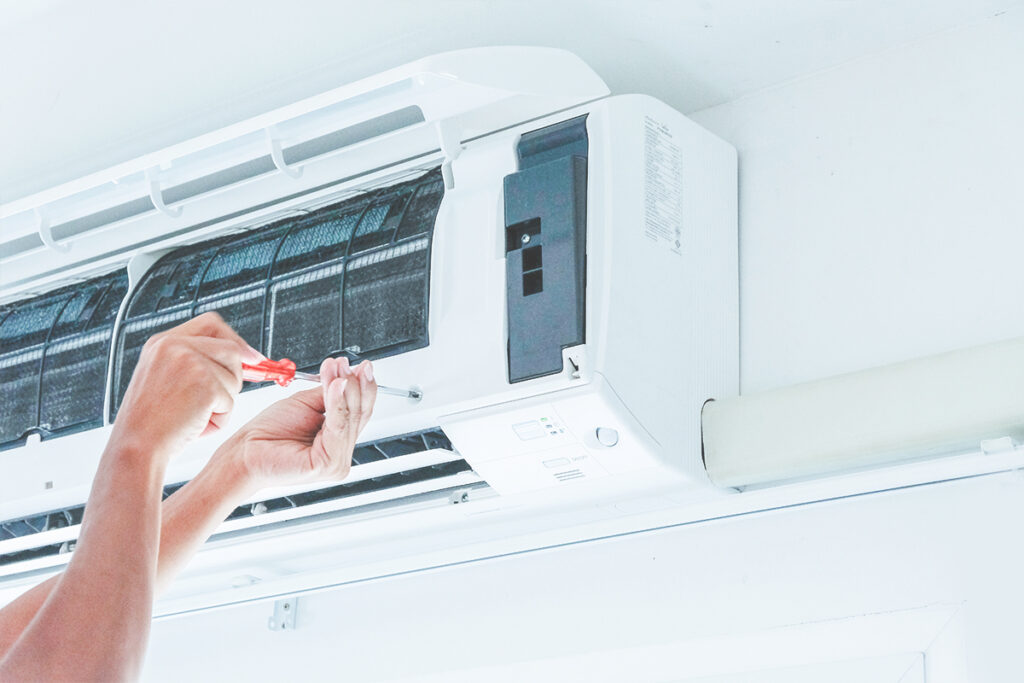
Next, consider the sort of air conditioning system that most suits your habits and home layout. Central air systems are excellent for larger homes with existing ductwork, providing uniform temperature control throughout the home. On the other hand, ductless mini-split systems offer flexibility and energy savings for homes without ducts or for specific areas that require individualized climate management. Considering your home’s structure will assist you in figuring out which option is more feasible for your needs.
Finally, think about additional features that can enhance your air conditioning experience and offer energy savings. Search for units with high Seasonal Energy Efficiency Ratio (SEER) ratings, which indicate better efficiency and lower utility expenses. Smart thermostats and programmable settings can additionally improve your cooling system, allowing for greater oversight over temperatures and schedules. By considering these factors thoroughly, you can make an wise decision that will provide satisfaction and efficiency for many years to come.
Preparing for Installation
Before your air conditioning installation begins, it's crucial to prepare the home to ensure a smooth process. Start by removing the area surrounding the setup site. This includes clearing out any furniture, toys, or obstructions from around walls and windows where the unit will be set up. If the new air conditioner requires ductwork, make sure entry to your attic or crawl spaces is unblocked as well. Taking these steps will make it simpler for the technicians to work efficiently.
Next, consider notifying your neighbors about the installation. Air conditioning setup can sometimes be noisy, and your neighbors will appreciate a heads-up about any noise expected during the process. Additionally, if you have any pets, think about keeping them in a separate area of the home distant from the installation site. This will help keep them protected and at ease and allow the installers to focus on their work without interruptions.
Finally, go over any preparation guidelines provided by the installation company. They may have specific advice tailored to the new unit, such as adjusting the thermostat settings or ensuring power is accessible at the installation site. Following these instructions will help make the installation process smoother and set the stage for the successful operation of your new air conditioning system.
Expenses and Financing Choices
The price of air conditioning installation can differ significantly depending on multiple variables including the kind of system you decide on, the square footage of your house, and the intricacy of the installation. On average, homeowners can anticipate to invest anywhere from 2k to 8k bucks for a fresh system, including both equipment and work. Mini-split systems might be on the lower end of that spectrum, while central air conditioning can be priced at much more. It's essential to receive several estimates from qualified contractors to evaluate estimates and services.
Financing alternatives are often offered for residents looking to put in a fresh air conditioning unit. Many heating, ventilation, and air conditioning companies offer financing options or credit options that can make a new installation more manageable financially. Additionally, some property owners may consider taking out a remodeling loan or using plastic to finance the expenses. more info is advisable to investigate all potential financial alternatives, including any energy efficiency incentives or rewards that may be available by regional utilities or public schemes, which can assist offset the installation price.
When preparing for your air conditioning setup, it's prudent to plan finances not only for the initial charges but also for continuous maintenance and energy costs. Energy-efficient installations may have a greater initial cost but can lead to substantial savings on energy costs over time. By committing in a high-quality installation and ensuring correct setup, you can enhance your home's coziness and appraisal while minimizing future operational costs. It's important to review your budget and financing alternatives carefully before going ahead with an setup.