Spray Art Secrets: Mastering the Craft of the Art of Color in a Can
Spraying paint is not just a technique of applying paint; it is a way of artistic expression that can change surfaces and breathe new life into objects. Whether you are a DIY enthusiast or a professional contractor, grasping the details of spray painting can enhance your projects and boost your results. From walls and fences to furniture, spray painting offers a quick and effective way to achieve a smooth, uniform finish that brush painting often fails to achieve.
In this article, we will delve into the insights of perfecting spray painting, sharing key tips and techniques that can assist anyone, from novices to seasoned pros. You will discover how to choose the right spray paint for any project, the importance of surface preparation, and how to avoid frequent pitfalls that can lead to disappointing results. With the right knowledge and tools, you can turn a simple can of spray paint into a mighty tool for artistry and change.
Mastering Your Spray-Painting Technique
Gaining a even and consistent coat when spray-painting is essential for a professional finish. To perfect your spray-painting technique, start by holding the can about ten to twelve inches away from the surface. This distance guarantees that the paint disperses properly and prevents too much buildup in a single area. Keep a steady hand and use a smooth motion, layering each pass gently to achieve an even distribution of paint. Refrain from painting in a single area for too much time, as this can cause drips and uneven coverage.
An additional important aspect of spray technique is the speed at which you maneuver the can. Shifting too fast can produce thin coverage, while navigating too slowly can create drips. A reliable rule of thumb is to practice your motion beforehand on scrap material to find the right balance. Additionally, endeavor to paint in straight lines to minimize the risk of getting an uneven finish. With repetition, you’ll develop instinct for the ideal pace and stroke length.
In conclusion, consider your spray-painting technique in relation to the type of surface you're spray painting. Various materials are suited with particular methods. For example, when applying spray paint metal, a soft spraying technique helps stop runs and allows the paint to adhere better. Conversely, when coating wood, you may consider build the paint in layers for a fuller look. Adjusting your approach based on the surface will greatly enhance your results and contribute to a flawless finish.
Necessary Instruments and Readiness
To achieve the best outcomes in spray painting, having the right tools is crucial. A high-quality spray paint gun or aerosol can is essential for delivering an consistent coat. Make sure to choose the appropriate nozzle size based on your project; wider nozzles are perfect for big areas while thinner ones are preferred for detailed work. Additionally, having a selection of masks, gloves, and protective eyewear will ensure you safe from overspray and fumes. Don't overlook to include drop cloths or newspaper to shield surfaces from paint drips and overspray.
Preparation is key to a effective spray painting project. Start by thoroughly washing the surface you plan to paint. Remove dust, dirt, and grease, as these can impact paint adhesion. If you're painting wood, smoothening the surface can also help create a smoother finish. It's important to fill any holes or cracks with the appropriate filler and to let it dry before painting. Don't ignore the significance of priming; using a suitable primer improves both adhesion and color vibrancy, particularly on porous surfaces.
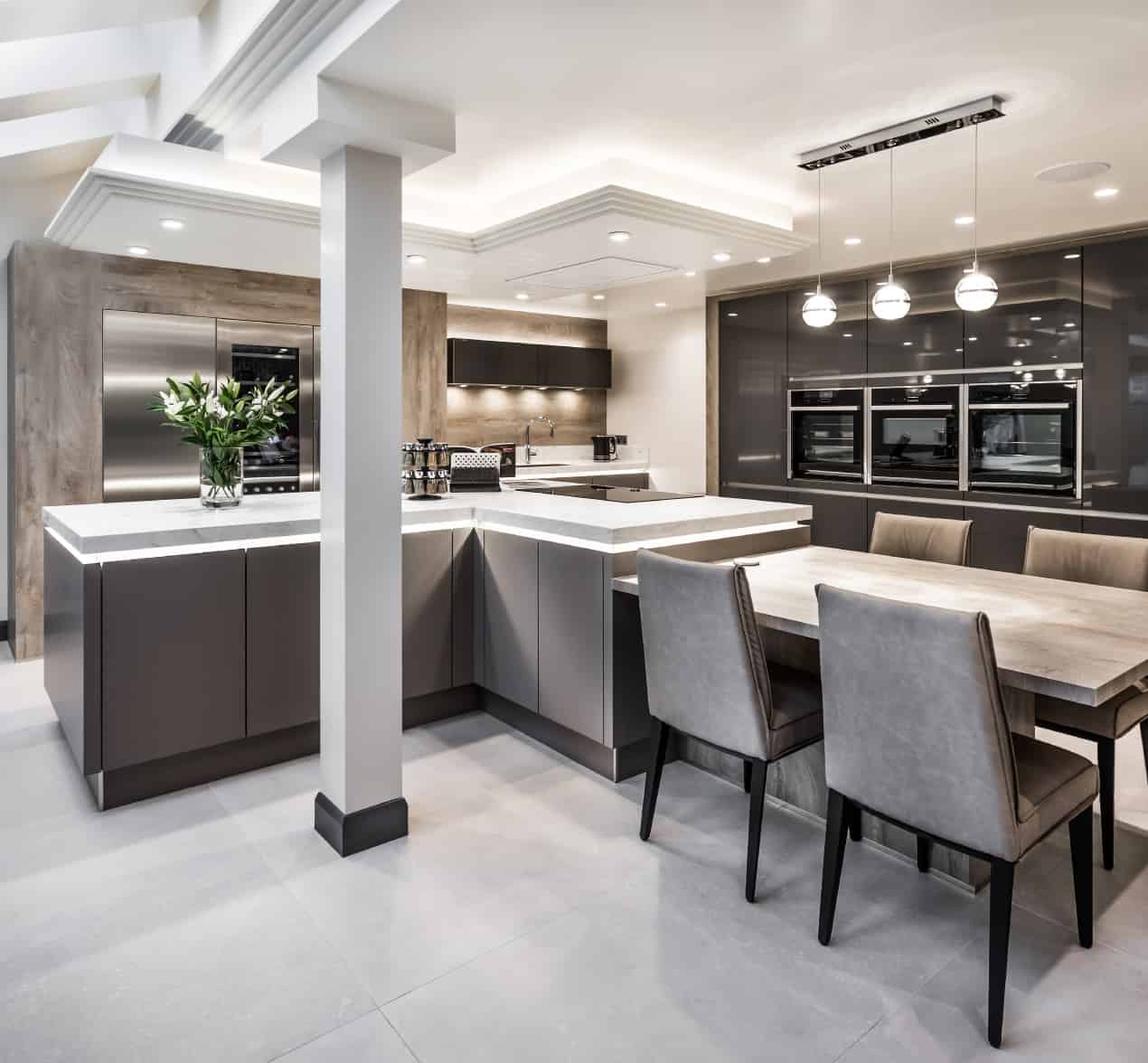
Finally, consider the surrounding conditions when preparing for your project. Optimal temperatures range between 50 and 85 degrees Fahrenheit, with reduced humidity to prevent moisture from affecting the finish. If you're painting outdoors, pick a day with minimal wind to prevent contaminants blowing onto your surface. Inside, ensure Kitchen Respraying And Spraying Allerton Bywater West Yorkshire to remove fumes effectively. With the suitable tools and thorough preparation, you'll prepare yourself up for a successful spray painting task.
Frequent Errors and Suggestions for Achievement
One common mistake in spray painting is not preparing the surface correctly. Avoiding this vital step can lead to poor adhesion and uneven finishes. Ensure surfaces are free of debris, hygroscopic, and sanded if necessary. Use primer on absorbent surfaces or when changing colors significantly to achieve the best results. Taking the time to prepare can make a considerable difference in the final outcome of your project.
Another common mistake is spraying spray paint too heavily in one go. This can result in runs, drips, and an overall uneven look. To prevent this, use thin, even coats and allow each layer to dry prior to the next application. Maintaining a uniform distance from the surface – typically around 10 to 12 inches – helps ensure an even application. Patience is essential; applying multiple light applications will yield a more polished finish than one or two substantial coats.
Lastly, many beginners fail to consider the necessity of the right environment when spray painting. Temperature and humidity can greatly affect drying times and the quality of your finish. Ideal environment are typically a cool, dry day with little wind for outdoor projects or a well-ventilated indoor space. Always consult the paint can for specific recommendations, as following these guidelines will lead to a successful and professional-looking project.