Tackling Soil Challenges: Advanced Piling Solutions
Regarding construction, the foundation is arguably the key element affecting the longevity and stability of a structure. Lacking a strong foundation, no matter how the most elegantly designed buildings can experience potential structural failures and costly repairs. This is where piling services come into play, providing innovative solutions to address the frequently intricate challenges posed by diverse soil conditions. Understanding the importance of piling services not only helps in selecting the best approach for your project but also ensures that safety and durability are prioritized from the very start.
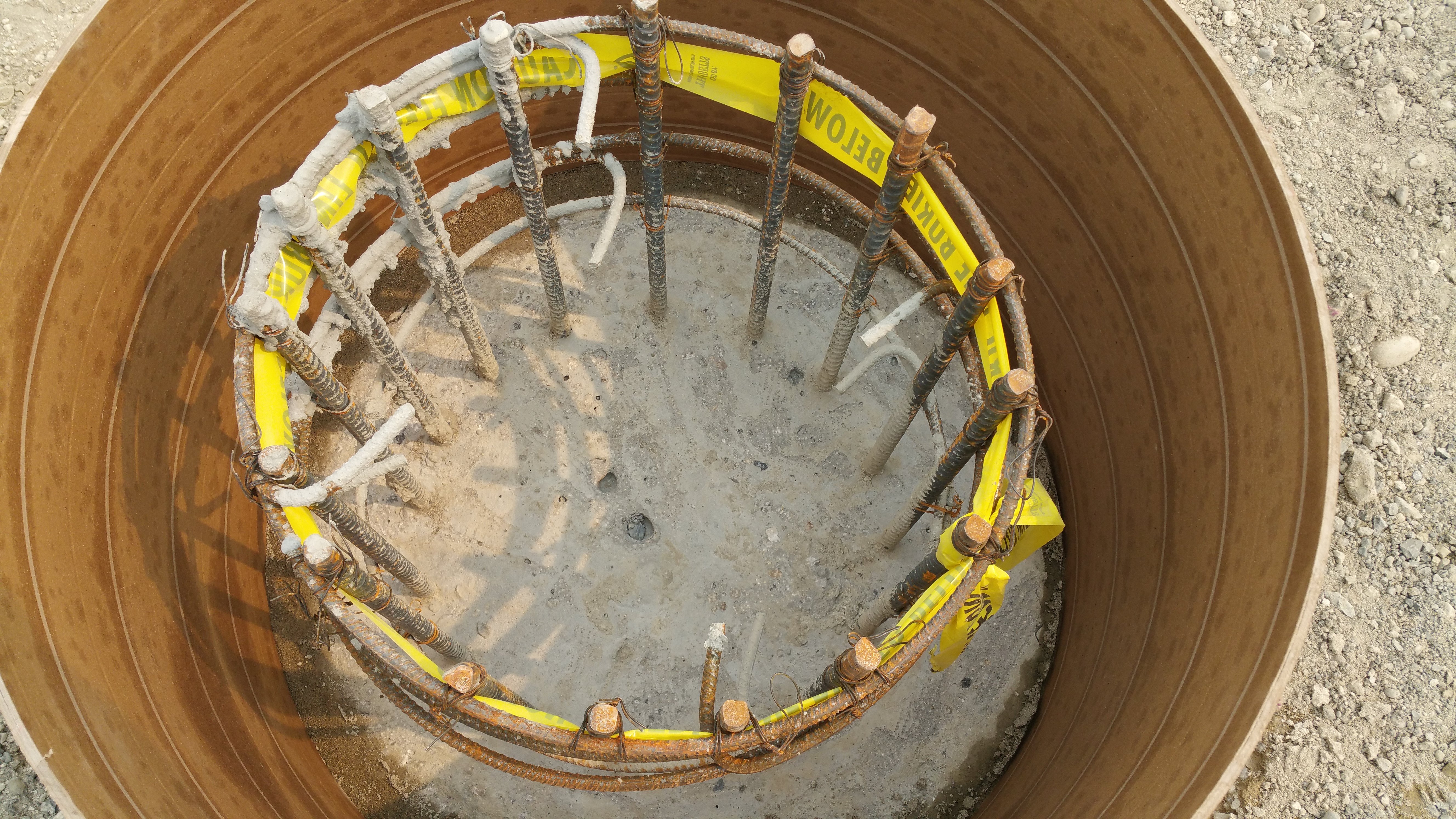
Within this thorough overview, we will explore the numerous components of piling services, including the necessity of these techniques in multiple construction scenarios, how soil conditions impact the choice of piling solutions, and the crucial steps involved in the piling installation process. Whether you are initiating a large-scale commercial project or a residential foundation endeavor, knowing the signs that signal the need for piling and the benefits of professional services can eventually lead to a stronger and more reliable foundation. Let's dig deeper into the world of piling and uncover how these services serve as the bedrock of effective construction projects.
Grasping Deep Foundation Services
Foundation solutions are a key aspect of building that involve the placement of subsurface supports to ensure the strength of edifices and other structures. Foundation piles are usually tall, narrow posts made from substances such as concrete, steel, or wood, driven deep into the ground to tap into firm substratum or rock foundation. This method is essential for construction endeavors where traditional shallow bases are not sufficient due to bad ground conditions or substantial load demands.
The significance of piling services cannot be ignored. They provide an efficient solution for transferring structural loads to deeper, more reliable soil strata, which is particularly vital in regions prone to movement, settling, or erosion. By utilizing foundation techniques, engineers can reduce the risks associated with insufficient bases, securing the lifespan and safety of the structures they bolster. This is ever more essential in city settings where space is at a premium, and construction elevations continue to escalate.
Understanding the varieties of piling solutions available is key for any construction endeavor. The decision between driven and drilled piles, for instance, often is based on the particular site conditions and the loading demands of the proposed building. By diligently evaluating these conditions, building teams can choose the most suitable foundation method that aligns with their construction goals while following safety and standards.
Types and Applications of Piling
Various multiple types of piling systems designed for different soil conditions and project requirements. Pressed piles, that are pre-constructed and hammered into the ground, are perfect for dense soils and are commonly used in major construction projects like bridges and high-rise buildings. Conversely, bored piles are created by boring holes into the ground before filling them with concrete, making them appropriate for less stable soils and urban sites where noise and vibration need to be reduced.
Micropiles are another innovative solution that provides flexibility in problematic ground conditions. Such small-diameter piles can be set in restricted access areas and are often used in underpinning existing structures or during renovation projects. Meanwhile, helical piles utilize screw-like anchors that are inserted into the soil, providing a quick installation method that can be particularly useful for projects with limited access or in ecologically sensitive areas.
In addition to standard applications, modern piling services also cater to the construction of infrastructure such as roads and railways. Various types of piling techniques can be selectively applied in accordance with environmental considerations and structural requirements. By grasping the various types of piling and their applications, construction professionals can make knowledgeable decisions that enhance the stability and longevity of their projects.
Piling Strategies for Adverse Conditions
Challenging soil environments can pose serious risks to building projects, requiring advanced piling solutions to ensure security and physical integrity. When facing with unstable soils, engineers often turn to tailored methods such as foundation foundations, which can move loads to lower, more reliable layers. These options include choices such as micro-piles and screw piles, which are designed to bore through tough ground conditions while minimizing surface disturbance. The meticulous selection of materials and techniques ensures that even in the most difficult environments, construction can proceed successfully.
In cases where traditional piling methods may not be feasible, innovative technologies come into play. Ground enhancement Mini Piling Bassetlaw Nottinghamshire , like soil grouting or ground freezing, can enhance the support capacity of existing soil and create a more adequate environment for pile installation. Utilizing these techniques allows for increased flexibility when facing unexpected geological problems. Additionally, employing advanced piling equipment can significantly accelerate installation and reduce possible delays caused by challenging soil conditions.
Ultimately, successful piling in adverse environments hinges on thorough site investigation and accurate planning. Before starting a project, it is essential to evaluate soil conditions thoroughly and engage skilled piling contractors who can propose tailored solutions. By comprehending the unique demands posed by the site and utilizing the right combination of innovative piling techniques, construction teams can ensure the safety and longevity of their structures, even in the most challenging conditions.