Transforming Domestic Comfort: A Magic of Heating Pumps
Lately, home comfort has taken on a fresh perspective, thanks to the emerging popularity of heating pumps. These innovative systems have revolutionized the way we think about temperature regulation our homes, offering both effectiveness and flexibility. As the demand for renewable energy options continues to rise, homeowners are increasingly turning to heat pumps not just as an alternative but as a top-notch and eco-conscious choice for maintaining a cozy atmosphere year-round.
Comprehending how these systems work and their myriad benefits can empower homeowners to make smart decisions about their climate management solutions. From energy efficiency to installation costs, and even the opportunities for rebates through rebates and deductions, heating pumps present a compelling case for those looking to upgrade or upgrade their traditional HVAC units. Whether you are considering a new installation for a new construction or upgrading an older property, these solutions stand out as a option that balances cost-effectiveness, performance, and sustainability.
Grasping Heat Pumps
Heat pumps are modern systems that move heat from a location to a different area, making them an efficient option for both heating and cooling homes. Operating on https://airsourceheatpumpsyorkshire.com/ of heat transfer, they extract heat from the air, earth, or liquid sources and deliver it inside during winter while flipping the process to vent heat outdoors in hot seasons. This adaptability allows individuals to benefit from pleasant indoor environments throughout the year with a one system.
One of the key benefits of heat pumps is their energy-saving capabilities. Differing from traditional HVAC technologies that create heat through fossil fuels or electrical resistance, heat pumps leverage electricity to relocate heat, which can lead to significantly lower energy consumption. Many variations can obtain efficiencies many times greater than traditional furnaces or ACs, making them an appealing option for sustainability-minded residents looking to lower their environmental impact and energy costs.
As the interest for sustainable electricity solutions grows, many homeowners are looking into heat pumps as a practical replacement to traditional heating and cooling methods. Their capability to perform efficiently in various environments, including frigid regions, makes them a good choice. With improvements in technology and a increasing number of choices available, grasping the various kinds, efficiencies, and installation procedures of heat pumps is important for formulating an informed choice about home comfort.
Configuration and Maintenance
Setting up a heat pump is a critical step in securing top performance and efficiency. Homeowners should think about contracting a certified installer to analyze their specific needs based on the home's dimensions, insulation effectiveness, and environmental factors. A proper installation not only enhances the system's efficiency but also optimizes its working life. Before installation, it is crucial to evaluate whether a ducted system or ductless system is more appropriate for your home, as this choice can greatly affect heat flow.
Once your heat pump is set up, regular maintenance becomes essential to maintain ongoing performance and performance. Homeowners are encouraged to arrange annual maintenance services, which include checking filters, maintaining coils, and evaluating refrigerant levels. This anticipatory approach helps in spotting potential issues before they grow, maintaining the heat pump running smoothly and reducing utility bills. Maintenance tasks can often be carried out by homeowners themselves, such as changing filters and clearing debris from external units.
Recognizing common issues that may arise with heat pumps can also help in properly addressing problems. Some homeowners might encounter reduced airflow, odd noises, or varying temperatures. Awareness with these signs can trigger timely action, potentially staving off costly repairs. By keeping updated and maintaining a steady upkeep routine, homeowners can enjoy the full benefits of their heat pump system for years to come.
Pricing and Effectiveness Analysis
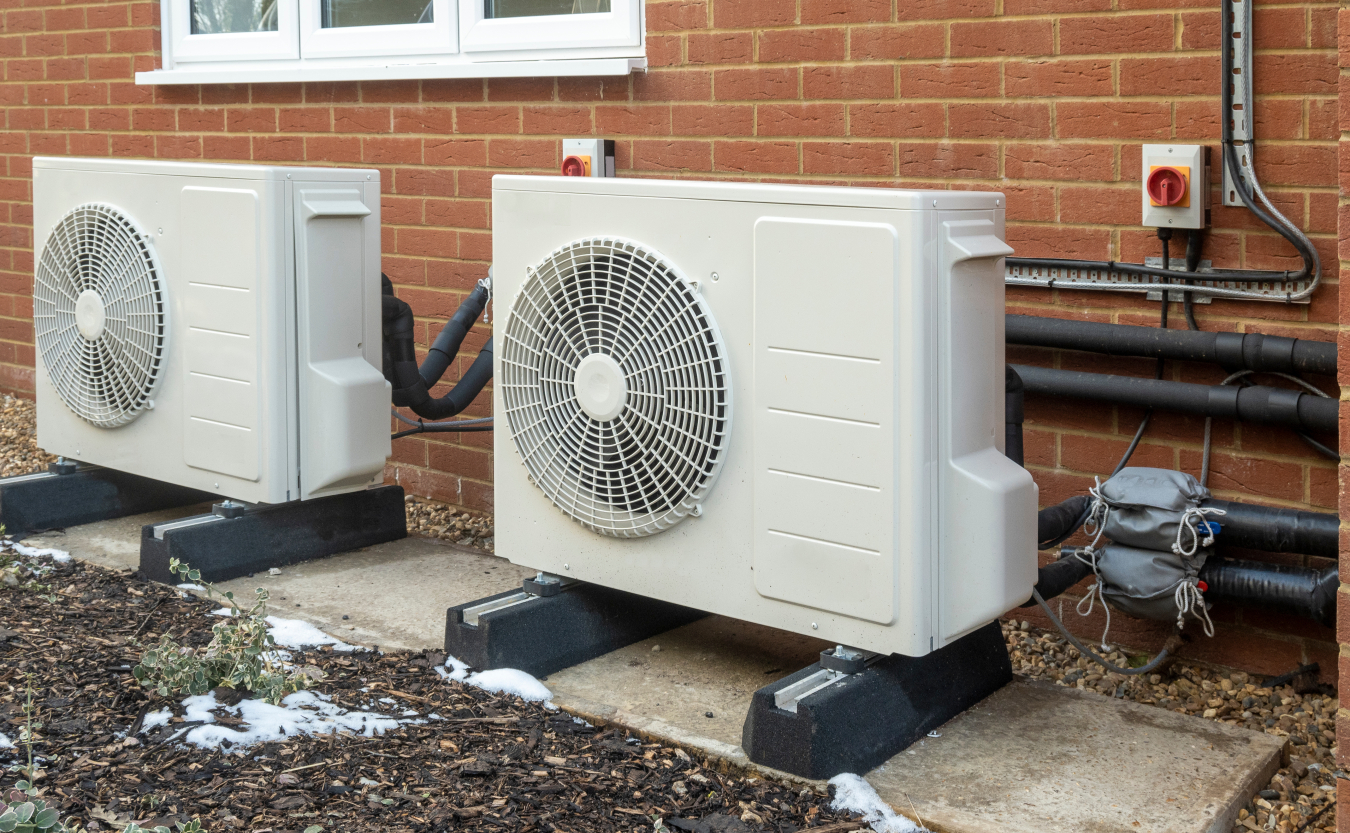
In the context of heat pump technology, one must to evaluate both upfront expenses and sustained efficiency. The initial outlay for a heat pump system can fluctuate greatly based on the type, capacity, and installation specifics. Generally, air source heat pumps usually exhibit more affordable installation compared to ground source heat pumps. However, one must also to take into account the possible reductions on power expenses, as heat pumps typically use significantly less electricity than traditional HVAC systems, thus providing a cost-efficient solution over time.
Performance is often measured by the SEER (Seasonal Energy Efficiency Ratio) for cooling and the Heating Seasonal Performance Factor (HSPF) for heating. Heat pumps can achieve effectiveness scores that far exceed those of conventional systems, sometimes achieving performance levels of over 300 percent. This means that for every kilowatt they draw, they can provide triple the amount of heating or cooling. Such effectiveness not only lowers utility expenses but also aids in minimizing environmental impact, making heat pumps an environmentally responsible choice.
Furthermore, incentives such as tax credits and rebates can further enhance the financial attractiveness of heat pumps. In 2026, many homeowners will realize that these supportive measures, combined with the natural savings from reduced power expenses, provide a strong motivation to switch to heat pump technology. By carefully considering the costs involved and the savings opportunities they offer, homeowners can reach an educated conclusion that aligns with their satisfaction and budgetary targets.