Turning Trash into Wealth: The Future of Disposal Solutions
In this swiftly changing era, effective waste management has become a critical concern for people, businesses, and societies alike. As the global population grows and consumption patterns shift, the pressure to manage waste sustainably has or never been more intense. With heightened awareness of the environmental impact of our waste and the crucial need for responsible disposal practices, we are at a crucial moment where turning waste into resources is not just a option but a obligation.
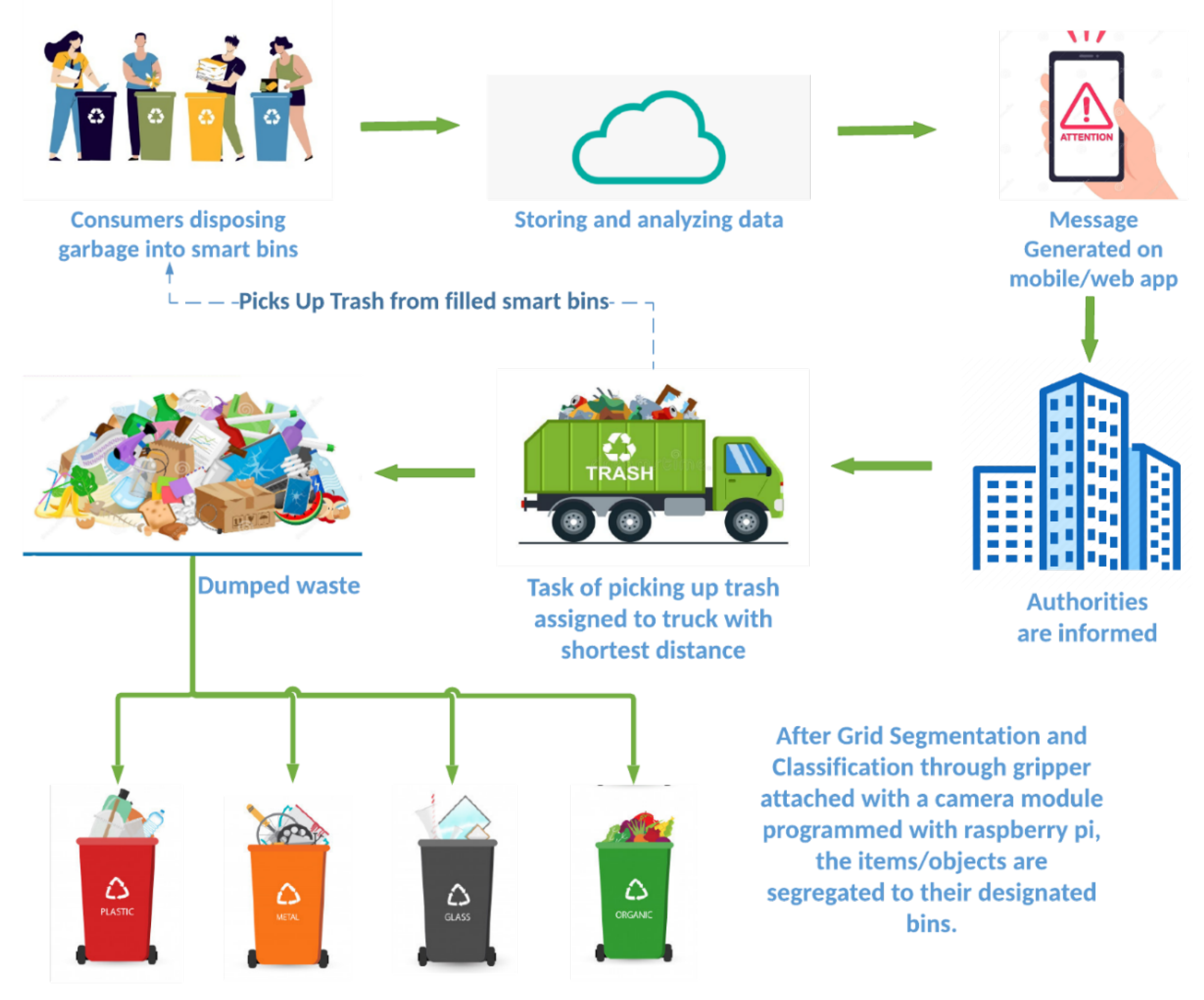
The following piece will serve as your comprehensive guide to current waste management solutions, exploring the importance of effective waste management is essential for every business and how it can aid to a more sustainable, greener planet. From useful tips on minimizing waste at home to perspectives on how technology is reshaping waste management practices, we will investigate into the vast landscape of waste solutions. Together, we will uncover the benefits of proper waste segregation, the importance of recycling, and how progressive approaches can lead to a circular economy where waste is minimized and resources are optimized. Join us on this journey to discover how you can be part of the change in waste management in the present.
Importance of Proficient Waste Management
Proficient waste management is essential for maintaining a clean and wholesome environment. When waste is not managed adequately, it can lead to pollution, public health risks, and damage to wildlife. Poor waste disposal methods can pollute soil and water sources, creating lasting ecological concerns. Having a robust waste disposal strategy in place helps lessen these risks and fosters a green approach to resources management, advantaging communities and ecosystems alike.
For businesses, effective waste disposal is not just about compliance with guidelines; it also has significant financial effects. Implementing modern waste management solutions can lead to cost savings through enhanced efficiency and minimized disposal fees. By engaging in practices like waste separation and recycling, businesses can limit their waste impact and improve their brand standing. This forward-thinking approach not only helps in lowering costs but also demonstrates a commitment to sustainability, drawing to environmentally conscious consumers.
Finally, the role of efficient waste management goes beyond just ecological and economic benefits; it is also a vital component in the health of the public. Appropriate waste disposal practices help stop the spread of diseases linked to waste improper handling. Communities with robust waste disposal systems generally experience diminished rates of sickness and improved quality of life. By focusing on proficient waste disposal, we contribute to healthier communities, aligning economic goals with public responsibility.
Cutting-edge Waste Disposal Approaches
As we aim to create a further sustainable world, novel waste recycling strategies are emerging as key tools for companies and localities alike. One of the most significant developments is the integration of technology into waste management processes. Connected bins equipped with sensors can track waste levels and optimize collection routes, reducing fuel usage and lowering operational costs. These high-tech solutions not only increase efficiency but also provide immediate data that can help organizations understand waste generation and make informed decisions about resource management.
Another noteworthy development is the rise of waste-to-energy methods. By changing non-recyclable waste materials into valuable energy, such as electricity or heat, these solutions help reduce landfill disposal while providing a sustainable energy source. This not only alleviates the strain on waste management systems but also contributes to lessening greenhouse gas release. As metropolitan regions and sectors seek renewable energy sources, waste-to-energy plants are becoming a viable option that aligns with the ideals of a sustainable economy.
Furthermore, community engagement and education play a vital role in progressive waste management approaches. Activities that encourage residents to participate in waste sorting and recycling programs can lead to substantial improvements in general waste management effectiveness. Workshops and educational programs about composting, recycling, and ethical waste management help foster a community of sustainability. By empowering individuals and companies to take an active role in waste minimization, societies can unlock the potential of waste as a resource, turning what was once considered garbage into usable items for recycling and reuse.
Green Strategies for Businesses
In the current environmentally aware era, businesses must adopt eco-friendly waste reduction strategies to minimize their ecological impact. Implementing a trash management plan is a vital measure, which includes evaluating current waste outputs, recognizing points for enhancement, and establishing clear targets for cutting waste. By focusing on recovering and repurposing materials, organizations can greatly minimize the quantity of garbage sent to waste facilities and save precious assets. Additionally, utilizing eco-friendly packaging solutions can aid in minimizing waste at the source while appealing to eco-conscious clients.
Education and development are crucial for fostering a climate of sustainability within an company. Employees should be educated about successful strategies in waste sorting and recycling initiatives. Implementing Wealth Management Truro Cornwall can help uncover problems and provide understanding into how trash is processed in the workplace. Frequent training sessions and involving employees in sustainability projects not only boosts morale but also encourages innovative ideas that can further enhance waste management practices.
Collaboration with expert waste management companies can also take a significant function in achieving eco-friendly refuse disposal goals. These professionals can provide tailored waste solutions, ensuring compliance with laws and lowering the expenses associated with inefficient garbage management. By working alongside such providers, companies can leverage advanced technologies and best practices to enhance their refuse handling processes, ultimately contributing to a more sustainable economy and a better Earth.