Understanding Heat Pumps: A Comprehensive Guide
Recently, heat pump technology have emerged as a widely accepted choice for homeowners in search of effective and sustainable climate control options. As energy costs increase and environmental concerns become paramount, more people are investigating how heat pumps can both reduce their carbon footprint but also help save on energy bills. This comprehensive guide covers everything you need to understand about heat pumps, from their fundamental function to their setup and maintenance.
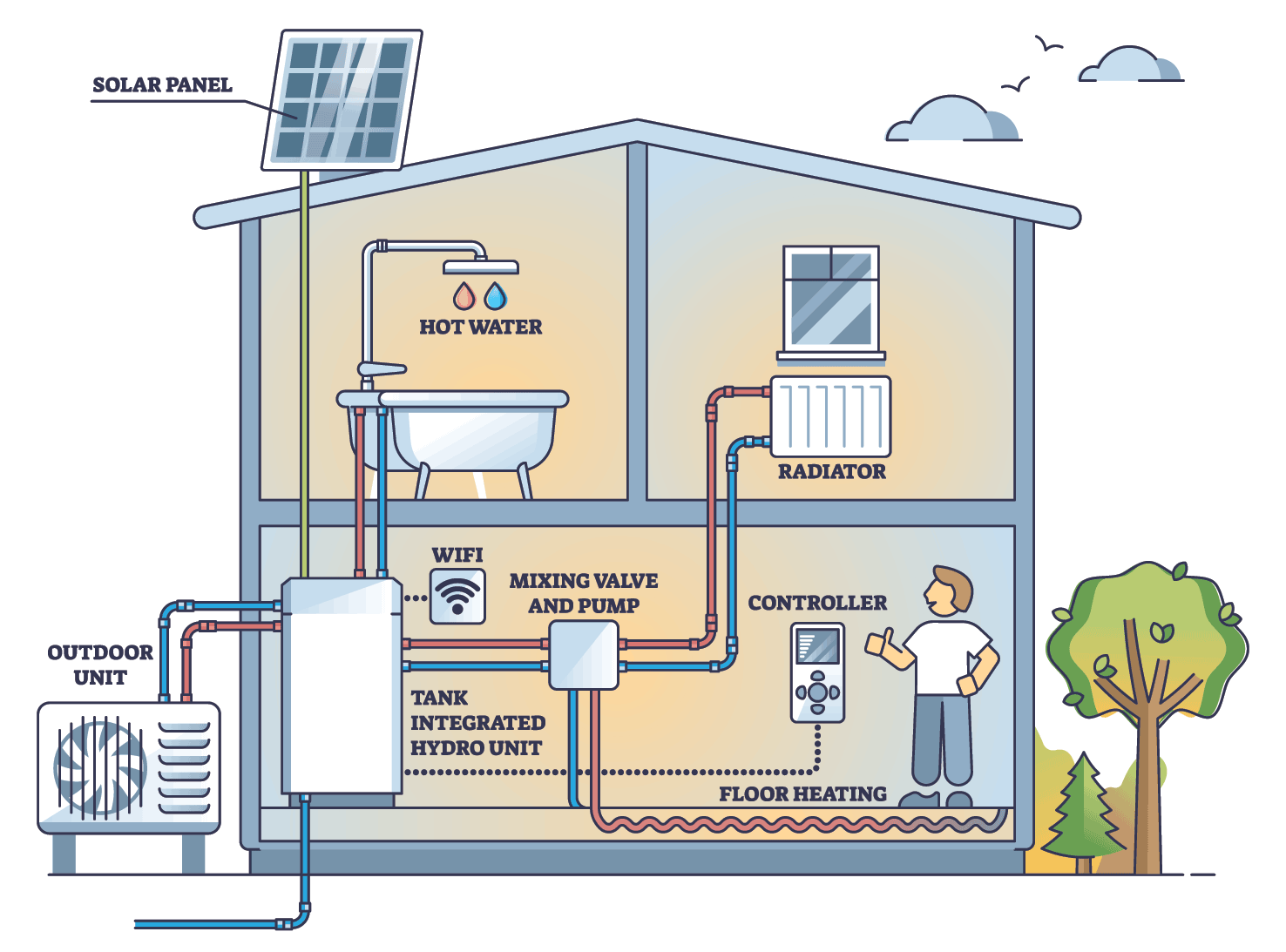
Whether you are planning on utilizing a heat pump or simply wanting to learn more about this cutting-edge technology, we will delve into the various types of heat pumps, their performance in different climates, and the many advantages they provide over traditional HVAC systems. By the end of this guide, you will have a thorough understanding of why heat pumps might be the right choice for your home, and how you can enhance their benefits for years to come.
Grasping Heat Pump Technology
These systems are innovative devices that provide both heating and cooling for houses by moving heat instead of producing it. They operate by employing refrigerant to extract heat from a certain area and emit it in another, which makes them highly efficient. This mechanism allows heat pumps to supply up to 3x more energy in heating or cooling than they require, leading to significant energy conservation for homeowners compared to standard HVAC systems.
There are different types of heat pumps available, primarily air-based and geothermal, each with their distinct advantages and drawbacks. Air source heat pumps draw heat from the air, while ground source heat pumps, also called geothermal heat pumps, gather heat from the ground. The choice between these systems often is based on factors such as regional weather, property size, and energy efficiency needs. Homeowners should consider their specific circumstances when choosing on the best type of heat pump for their property.
As heat pump technology continues to progress, they are becoming an increasing popular option for residential heating and cooling. This rise in popularity is driven not only by the efficiency and cost savings they provide but also by their sustainable advantages. Heat pumps can significantly reduce greenhouse gas emissions, which makes them an attractive choice for those minimizing reduce their carbon footprint and contribute to a more sustainable future.
Installation and Maintenance
Establishing a heat pump requires careful planning and evaluation of your home's individual requirements. It is crucial to choose the appropriate size and type of heat pump for your space, which can include a load calculation to evaluate the system's capacity. Homeowners should also consider the location of the unit, as whether air source and ground source heat pumps have distinct installation requirements. It is wise to hire a certified professional with experience in heat pump setups to ensure correct installation and conformance with local regulations.
Maintenance is crucial to keeping your heat pump operating smoothly and extending its lifespan. Regular maintenance, typically annually, should entail monitoring the refrigerant amounts, washing or changing air filters, checking ductwork (if applicable), and ensuring that the outdoor unit is clear of obstructions. By following these care guidelines, homeowners can considerably minimize the likelihood of breakdowns and costly fixes while enhancing energy performance.
Being conscious of common problems can help homeowners troubleshoot problems promptly. For example, it's essential to monitor the efficiency of your heat pump, as declining efficiency or odd noises can suggest underlying problems. Many heat pumps come equipped with smart technology that can alert you to efficiency variations. Addressing these problems promptly with a skilled technician can prevent further complications and maintain a pleasant home environment year-round.
Cost and Efficiency Assessment
When evaluating the installation of a heat pump, it is crucial to evaluate both the initial costs and the sustained benefits on energy bills. Heat pump setup prices can vary widely depending on the kind, dimensions, and placement of the unit. Generally, air source heat pumps are more affordable to install than ground source systems. However, homeowners should keep in mind that while the initial investment may be greater for geothermal systems, they often offer greater long-term benefits due to their efficiency, particularly in extreme conditions.
Efficiency is a crucial factor in assessing the overall effectiveness of heat pumps compared to traditional HVAC systems. Heat Pumps Bradford Yorkshire by transferring heat rather than generating it, leading to higher efficiency ratings. A properly set up heat pump can offer significant energy savings, often reducing utility bills by up to 50 percent relative to conventional heating systems. Homeowners should look for units with a high HSPF rating for heating and SEER for cooling to increase savings over time.
Additionally, various incentives, such as rebates and tax credits, are becoming more available to offset the costs of setup. In the U.S., these financial benefits can significantly cut the upfront investment required for a heat pump system. When evaluating these systems, it is crucial for homeowners to conduct a comprehensive cost and efficiency analysis to ensure that they are making a financially sound choice that aligns with their energy needs and environmental goals.